
Nutritional Guidance Articles & Resources
Explore our comprehensive collection of dietary recommendations and wellness insights designed to support your health journey through evidence-based nutritional guidance.
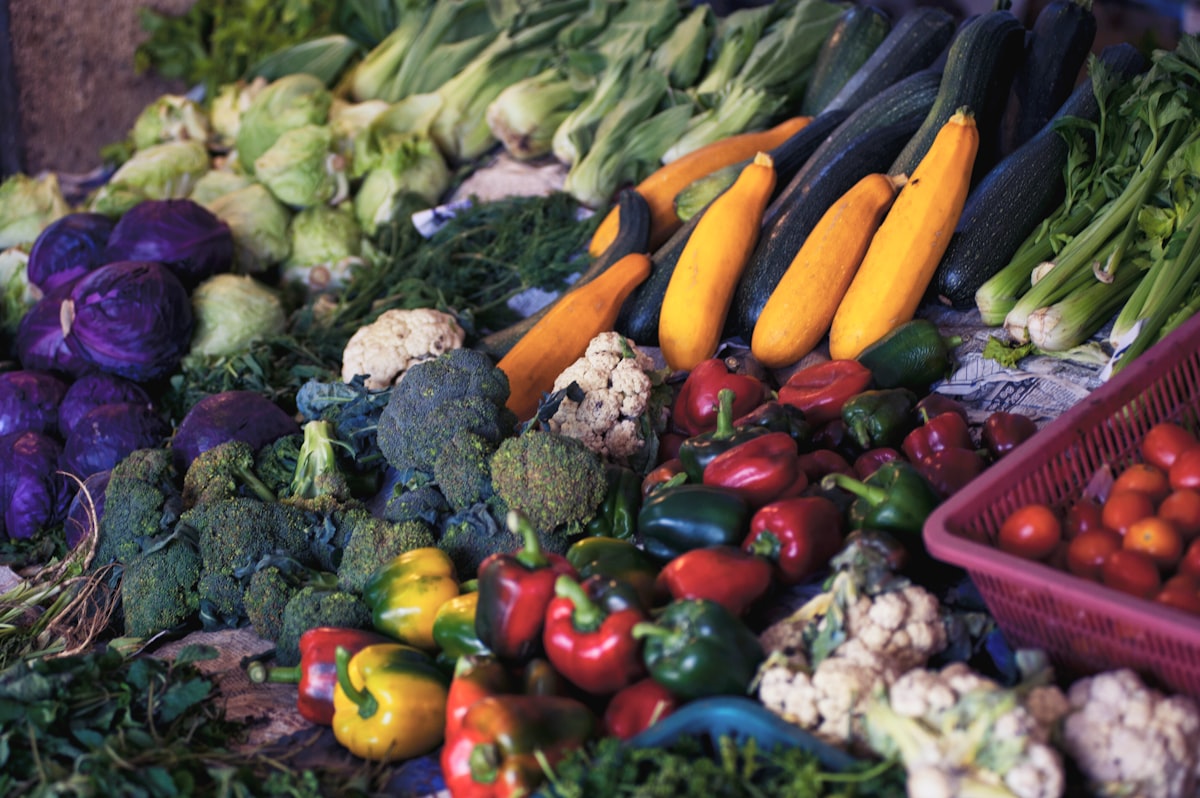
Protein: Quality Sources & Daily Intake Guidelines
Understanding optimal protein consumption is essential for muscle maintenance, immune function, and overall wellness. This guide covers plant-based and animal sources, protein requirements based on activity level, and how to distribute protein intake throughout your day for maximum benefit.
Read Article
Healthy Fats: Omega-3s, Omega-6s & Balanced Ratios
Dietary fats are crucial for brain function, hormone production, and nutrient absorption. Discover the difference between saturated, unsaturated, and trans fats, identify rich sources of omega-3 fatty acids, and learn how to maintain an optimal balance to support cardiovascular and mental wellness.
Read Article
Carbohydrates: Refined vs Complex & Energy Management
Carbohydrates are your body's primary energy source, but choosing the right types matters significantly for sustained energy and metabolic wellness. Learn to distinguish between refined and complex carbohydrates, understand glycemic impact, and develop eating patterns that support stable blood sugar and sustained vitality.
Read Article
Essential Vitamins & Minerals: Food Sources & Absorption
Micronutrients regulate countless biological processes, from immune response to bone health and energy production. This comprehensive resource identifies key vitamins and minerals, their dietary sources, absorption factors, and how to ensure adequate intake through whole foods and strategic dietary combinations.
Read Article
Iron: Heme vs Non-Heme Sources & Bioavailability
Iron deficiency is one of the most common nutritional gaps, affecting energy levels and overall wellness. Explore the differences between heme iron from animal sources and non-heme iron from plants, learn which foods contain the most bioavailable forms, and discover pairing strategies to enhance absorption.
Read Article
Vitamin D & Calcium: Bone Health & Immune Function
Vitamin D and calcium work synergistically to maintain bone density, support immune function, and regulate numerous cellular processes. Learn about natural sources including sun exposure, identify calcium-rich foods suitable for different dietary preferences, and understand seasonal considerations for optimal nutrient intake year-round.
Read Article
Practical Weekly Meal Planning: Structure & Variety
Effective meal planning removes guesswork from eating and ensures consistent nutrition intake. Discover systematic approaches to plan balanced weeks, strategies for achieving dietary variety, techniques for batch preparation, and methods to accommodate different preferences within your household for sustainable healthy eating.
Read Article
Portion Control: Understanding Serving Sizes & Satiety
Portion awareness is fundamental to balanced nutrition without requiring restrictive counting. Learn visual cues for appropriate serving sizes, understand satiety signals and eating pace, explore how whole foods naturally regulate intake, and develop intuitive eating skills that support long-term wellness without obsessive tracking.
Read Article
Hydration Essentials: Water Intake & Fluid Balance
Proper hydration is foundational for every physiological process including digestion, nutrient transport, temperature regulation, and mental clarity. Explore individual hydration needs based on activity level and climate, learn to recognize adequate intake, understand electrolyte balance, and discover how to maintain consistent hydration throughout your daily routine.
Read ArticleFeatured Resources
Access our most comprehensive guides and downloadable resources for dietary wellness
The Complete UK Dietary Guidelines Overview
A comprehensive breakdown of the UK government's official dietary recommendations, including daily calorie guidelines, macronutrient distribution targets, and practical strategies for implementing these evidence-based recommendations in your daily life for sustained wellness.
Learn MoreBuilding a Balanced Plate: The Framework
Master the visual framework for creating nutritionally complete meals with the right proportion of vegetables, proteins, whole grains, and healthy fats. This practical guide includes portion illustrations, common meal combinations, and strategies for adapting the framework to different cuisines and dietary preferences.
Learn MorePlant-Based Protein Complete Handbook
Whether following a vegetarian, vegan, or simply plant-forward approach, this handbook covers all plant-based protein sources, complementary amino acid profiles, practical daily menu examples, and strategies for meeting protein requirements through whole foods while maintaining nutritional diversity.
Learn MoreNutrition for Cardiovascular Wellness
Explore dietary strategies specifically designed to support heart health and optimal cardiovascular function. Learn about beneficial food patterns, electrolyte balance, sodium considerations, and evidence-based nutritional approaches that research shows support long-term cardiac wellness and vital function.
Learn MoreFrequently Asked Questions
Find answers to common questions about nutrition and dietary recommendations
How many calories should I consume daily?
Daily calorie requirements vary based on age, sex, activity level, and metabolism. Adult women typically require 1800-2200 calories, while men need 2200-2800 calories. Rather than a fixed number, focus on fueling your body with nutrient-dense foods and paying attention to energy levels and satiety. Consider consulting with a nutrition specialist for personalized recommendations aligned with your specific lifestyle.
Are all fats unhealthy?
No, dietary fats are essential for health. The focus should be on consuming primarily unsaturated fats from sources like avocados, olive oil, nuts, and fatty fish, which support brain function and cardiovascular wellness. While limiting saturated fats and avoiding trans fats is recommended, eliminating all dietary fat is counterproductive and can impair nutrient absorption and hormone production.
How much protein do I need daily?
General recommendations suggest 0.8 grams of protein per kilogram of body weight for sedentary adults. However, requirements increase with physical activity—athletes may need 1.2-2.0 grams per kilogram. Distributing protein evenly across meals (25-35g per meal) supports better muscle maintenance and satiety. Whole food sources like legumes, fish, eggs, and poultry provide beneficial nutrients alongside protein.
Should I avoid carbohydrates?
Carbohydrates are not inherently problematic—the type and quality matter significantly. Complex carbohydrates from whole grains, legumes, and vegetables provide sustained energy, fiber, and micronutrients. Refined carbohydrates with added sugars should be limited as they offer minimal nutritional value. A balanced approach emphasizing whole food carbohydrates supports energy, digestion, and long-term wellness.
How can I improve my food choices while eating out?
When dining at restaurants, focus on choosing grilled or baked preparations over fried options, request vegetables as side dishes, select lean protein sources, and ask for dressings and sauces on the side. Many restaurants now provide nutritional information—review menus ahead of time. Remember that eating out occasionally won't derail wellness; consistency with your everyday eating patterns matters most.
How much water should I drink each day?
A practical guideline is drinking half your body weight in ounces of water daily, adjusted for climate and activity level. A simpler approach: ensure your urine is light yellow to clear throughout the day. During exercise or hot weather, increase intake to maintain hydration. Other beverages like tea and coffee contribute to daily fluid intake, though plain water remains the optimal choice for hydration.
Stay Updated on Nutrition Insights
Subscribe to receive the latest articles, dietary recommendations, and wellness resources directly in your inbox.
We respect your privacy. Unsubscribe at any time.
Explore Our Complete Dietary Resources
Whether you're beginning your wellness journey or refining your current nutritional approach, our comprehensive collection of evidence-based articles provides the knowledge you need to make informed dietary decisions.